You Don’t Need to Control to Lead
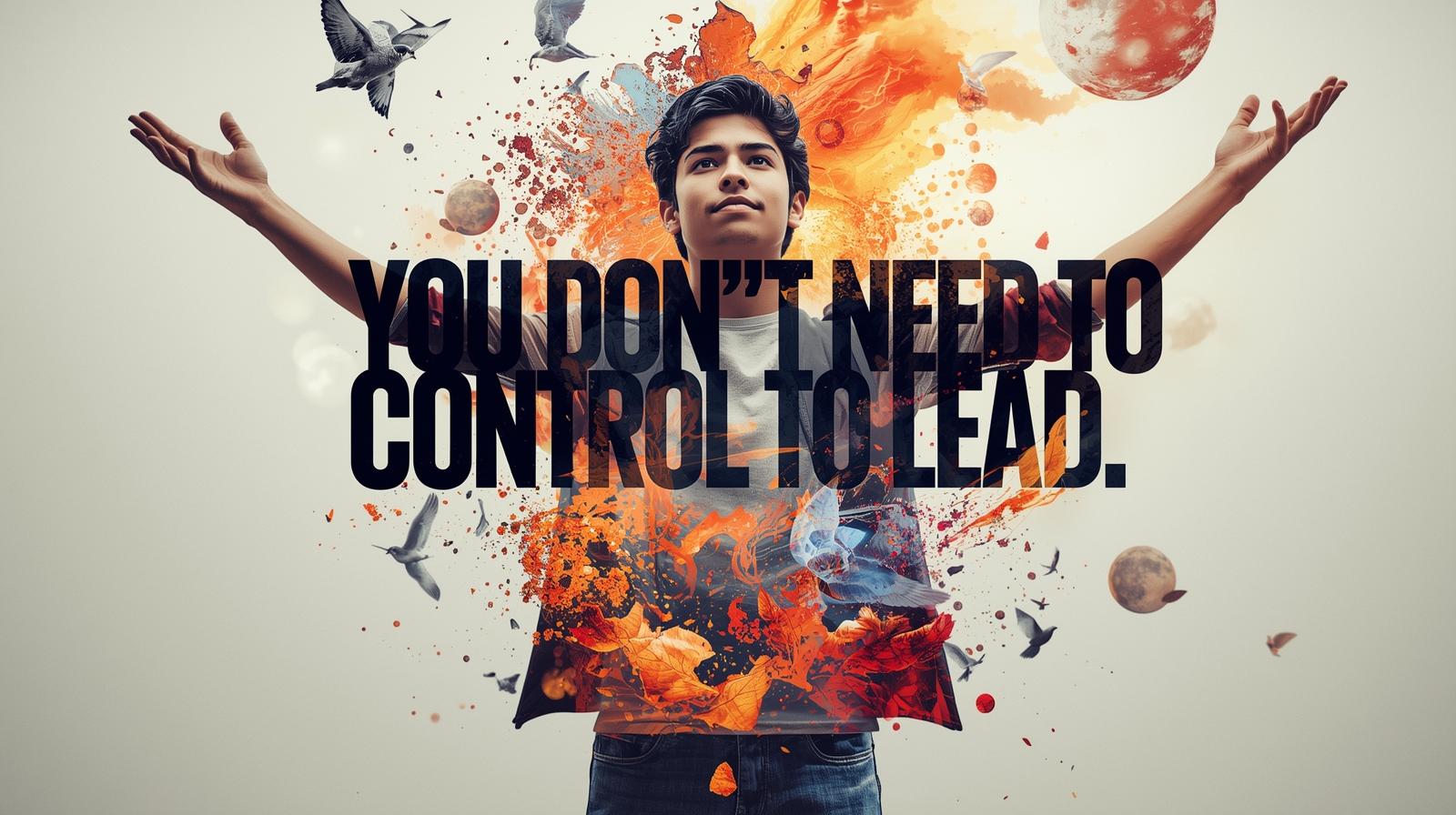
When most people hear the word leader, they don’t picture someone they want to become. They picture the loud one. The controlling one. The person who takes over, interrupts, pushes their opinion, and somehow turns every situation into their stage.
And if you’re honest, you’ve probably thought, I don’t want to be that person.
At the same time, you don’t want to sit back and watch things drift. You don’t want to feel invisible. You don’t want to keep quiet when you can see something going wrong. You don’t want to feel that quiet frustration of thinking, Someone should say something, and realising that someone might have to be you.
So you get stuck between two uncomfortable options. Push too hard and you feel awkward or disliked. Hang back completely and you feel overlooked or resentful. Neither feels right.
The shift that changes everything is this: leadership isn’t about being in charge. It’s about being steady when other people aren’t.
Prefer to listen on your favourite podcast app?
The Moment You Push, You Lose Influence
Most people don’t realise how quickly influence disappears the moment pressure shows up.
The second someone feels pushed, managed, or subtly controlled, something in them tightens. It doesn’t matter if your intentions are good. It doesn’t matter if you’re right. Autonomy matters deeply to people. The human brain protects choice instinctively, and when choice feels threatened, resistance follows.
That’s why over-explaining, over-organising, correcting constantly, or trying to “fix” everything often backfires. You might think you’re helping. Other people just feel handled. And once that happens, they pull back.
People aren’t looking for someone to take over. They’re looking for someone who makes the situation feel steadier, safer, and clearer. That’s leadership. And it rarely looks dramatic.
Performative Leadership vs Quiet Leadership
Some leadership looks impressive on the surface. It’s busy and visible. It fills silence quickly. It jumps in first. It needs to be seen as useful. Sometimes it works in the short term, but underneath it there’s pressure, and people feel that.
Quiet leadership feels different. It doesn’t rush to speak. It listens properly. It holds its nerve when things wobble. It doesn’t need to prove it’s in charge. Instead of dominating the space, it stabilises it.
People don’t follow energy that feels forced. They follow energy that feels safe.
When someone is grounded and calm, others naturally check in with them. Not because they’ve demanded authority, but because they feel reliable.
Your Natural Leadership Style
You probably already lead in your own way, even if you’ve never called it that.
When things get tense or messy, you have a default setting. Maybe you’re the steady one who stays calm while others spiral. Maybe you’re the thinker who slows everything down and asks the question everyone else missed. Maybe you’re the connector who softens tension and brings people back together. Or maybe you’re the practical one who sees a route forward and quietly says, “Here’s a way we could do this.”
None of these styles are better than the others. They’re simply different ways influence shows up.
The problem only starts when you stop being yourself and start trying to force control. The moment you grab, push, or over-direct, your natural strength gets buried under pressure. But when you stay aligned with how you genuinely show up, influence feels steady and trustworthy.
Presence Before Words
Here’s the part most people overlook: leadership isn’t mainly about what you say. It’s about the energy you bring into the moment before you speak.
You’ve probably felt this yourself. Someone pushes their idea hard, and even if they’re not being rude, something inside you shuts down. That’s pressure.
Now think about someone who stays calm. They don’t rush. They don’t compete for airtime. They let the moment breathe. Around them, you probably feel clearer and less tense.
That’s presence.
Presence doesn’t grab control. It sets the emotional tone. It communicates, without words, that things are manageable. And once the tone shifts, the whole dynamic often shifts with it.
Guide the Moment, Not the People
If you want something practical, start by guiding the moment rather than the people.
If things feel tense, slow yourself down first. If everyone is talking over each other, pause instead of competing. If the energy feels chaotic, become the steady point.
From that calmer place, you can suggest instead of instruct. You can ask instead of tell. You can offer instead of force.
The difference is subtle, but it changes how your influence lands. You’re not grabbing control of people. You’re shaping the tone of the space.
The Feedback Loop
Influence isn’t about what you think you’re doing. It’s about how it lands.
So instead of overthinking or constantly checking for approval, notice what happens when you speak. Do people relax or tense? Do they open up or shut down? Does the situation feel clearer afterwards, or more confused?
Clarity is usually a sign that your leadership is landing well. Confusion or tightening often means there’s too much pressure.
If you notice tension, you don’t need a dramatic correction. Just adjust. Lower your intensity. Slow your tone. Give more space. Small shifts can change the whole dynamic.
Leadership without being bossy is not about shrinking yourself. It’s about removing pressure. It’s about being steady enough that other people feel safe to move with you rather than against you.
Your Challenge This Week
This week, lead one situation by setting the tone rather than taking control.
It might be a messy group chat. A tense moment at home. Planning something with friends. Your job isn’t to win or to be right. It’s to add steadiness and remove pressure.
Then notice what happens.
You may realise you never needed to become louder. You never needed to dominate. You just needed to trust that calm, grounded presence carries more influence than force ever will.
And once you feel that working, leadership stops feeling like ego.
It starts feeling like responsibility handled well.

Creator, author and host.
I’m a Qualified/Certified Mental Health Nurse with over 35 years of experience supporting young people and their families. I’ve worked in secure hospitals, eating disorder units, and CAMHS crisis teams—walking alongside adolescents during some of their toughest moments.
My focus has always been on helping young people in emotional distress—especially those who struggle to engage or are finding it hard to stay safe.
I also teach at universities and train professionals across health, education and social care to better understand what young people really need from us.
Headstraight brings all of that together. Just real conversations, grounded advice, and ideas that might actually help. That’s the goal: make it easier to understand, easier to talk about, and more useful to you in real life.

You're Not Invisible. You're Influential.