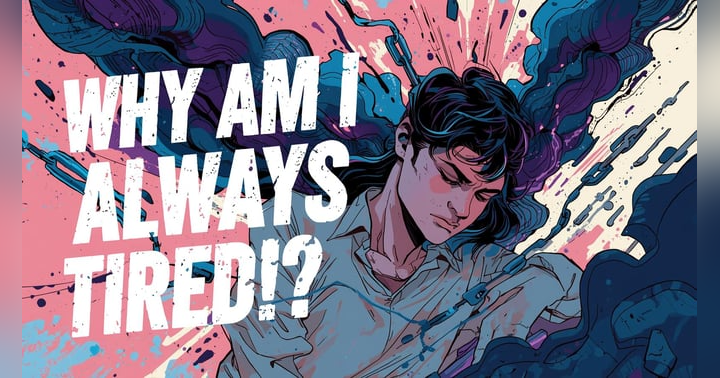
Always Tired? Here’s What’s Really Going On


Always tired? It’s more common than you think. For teens and young adults, constant exhaustion is often about more than sleep — it’s stress, habits that drain you, and the weight of everyday mental challenges. It feeds self doubt, wears down your self esteem, and chips away at your emotional well-being.
In this episode, hosted by Mark Taylor, we’ll break down the different types of tiredness — physical, mental, and emotional — and how they link to teen mental health. You’ll hear how burnout builds, why quick fixes don’t last, and how losing motivation is often your body’s way of saying something needs to change.
We’ll cover practical steps to reset: protecting your focus, using self control to avoid the traps, and making better choices that keep your energy steady. This is about protecting your health, building confidence in your routines, and finding advice for teens that actually works in real life.
Want to get involved?
I’d love to hear from you:
- Send me a message → headstraight.co.uk/contact
- Leave me a voice note → headstraight.co.uk/voicemail
- Share your feedback by leaving a review (it helps more young people find the podcast) → headstraight.co.uk/reviews/new
Explore more from Headstraight:
- Read the blog version of every episode, packed with extra insights on self-sabotage, motivation, resilience, and mental health → headstraight.co.uk/blog
- Find out more about me, the host, and why I started this podcast → headstraight.co.uk/about
Need support right now?
If you’re struggling with anxiety, depression, or in crisis, visit our Resources page
for helplines, mental health services, and support options available in the UK and across the world.
My name's Mark, and you're listening to Head Straight. Hello, you lot, and welcome back. Now today, we're gonna be answering the question, why am I always tired? And we're gonna take a look at ways in which you can get your energy back. Because let's be honest, being tired all the time is miserable.
Mark:You wake up feeling like you haven't slept. You drag yourself through the day, yawning in lessons, zoning out in conversations. You crash on the sofa after school, but when it's actually bedtime, you're wide awake again. Sound familiar? Probably.
Mark:And here's the thing. Tiredness is not about being lazy, and it's not always about not sleeping enough. It's more about how your body and your brain are running day to day. So today, we're gonna figure this out together. We're gonna take a look at the real reasons why you might always feel tired.
Mark:We're also gonna look at how your habits and lifestyle drain or recharge your energy. And we're gonna think about simple practical ways to get that energy back. So why are we always so tired? Here's the thing. Tiredness isn't about how many hours you sleep.
Mark:You could get a full night's rest and still wake up shattered. Why? Because tiredness shows up in lots of different ways. And often you're dealing with more than one at a time. The first one is physical tiredness.
Mark:Now, this one's all about your body. It happens when you don't get enough rest, don't move enough, or you fuel yourself with stuff that spikes and crashes your energy. Your body is basically saying I'm running on empty. For example, you stay up gaming until 2AM, maybe grab a bag of crisps for breakfast, and then wonder why you can't keep your eyes open in class. Your body's screaming for recovery, but you've given it nothing solid to work with.
Mark:Second one is mental tiredness. This comes from your brain being switched on all the time. Every time you revise, worry about what someone thinks or juggle three things at once, you're burning brain fuel. And unlike physical energy, you can't just sleep it off. Your brain needs breaks too.
Mark:For example, you finish a full day at school, try to cram revision whilst texting in three group chats, and between it all, you're scrolling TikTok. Even if you haven't moved much, you feel absolutely wrung out because your brain's been repeatedly running 100 meter sprints all day. And the third one is emotional tiredness. Now this is the one that most people forget. It's when stress, arguments or constant pressure leave you drained.
Mark:Carrying heavy feelings is exhausting even if you've done nothing physical. For example, you lie in bed all day after a fallout with your best mate. You've barely moved, but you feel more wiped out than if you'd done a marathon. That is emotional tiredness. And here's the kicker, you're rarely dealing with just one of these.
Mark:Physical, mental, and emotional tiredness can stack on top of each other. So picture this. You stay up late revising. Mental tiredness. You argue with your parents before bed.
Mark:Emotional tiredness. Then you only get four hours sleep physical tiredness. No wonder you're shattered the next day. So if you're constantly tired, it's not laziness. It's your body and brain shouting I need to reset.
Mark:Now here's the thing about tiredness. Sometimes it's not the obvious stuff. It's not just I stayed up too late or I didn't get enough sleep. It's the sneaky everyday drains that slowly leak your energy until you're running on fumes. So let's look at three of the biggest culprits.
Mark:The first one, screens before bedtime. That quick scroll at night doesn't just eat time, it messes with your brain chemistry. The blue light from your phone tells your brain that it's still daytime, so it stops producing melatonin, the hormone that helps you sleep. The result, you do sleep, but it's shallow and broken so that you don't wake up refreshed. For example, you tell yourself that you'll check TikTok for five minutes.
Mark:An hour later, you're deep in a rabbit hole of random videos. You finally fall asleep, but the next morning you feel like you haven't rested at all. Now that's not because you didn't sleep. It's because your brain never switched properly into night mode. The second one is running on caffeine and sugar.
Mark:Energy drinks, chocolate, endless coffees they feel like lifesavers, but really they're tricksters. They give you a sharp spike and then dump you in a crash that leaves you even more tired. And the more you rely on them, the more your natural energy levels take a hit. For example, you're revising and you grab an energy drink to push you through. You feel wired for an hour, but then your concentration falls off a cliff.
Mark:What do you do? You grab another. Suddenly, you're in a loop. Temporary highs, even bigger crashes, and a baseline of constant fatigue. The third one is stress on repeat.
Mark:Stress doesn't just live in your head. It lives in your body. When you're worrying, arguing, or overthinking, your body pumps out stress hormones like adrenaline and cortisol. They keep you alert, but they also drain your system. It's similar to leaving every app running on your phone at once.
Mark:The battery plummets. For example, you're lying in bed, desperate to sleep, but your brain is replaying that argument with your mate or stressing about tomorrow's presentation. You're not moving, but you're burning energy. By morning, you feel like you've already lived a full day before it's even begun. And this is the thing.
Mark:None of these drains feel huge in the moment. A scroll here, a kind of monster there, a late night worry spiral, but stack them together? No wonder you feel like you're dragging yourself through the day. So just stop and reflect for a second. If you had to pick one late night scrolling, caffeine sugar spikes, or constant stress which one is draining you the most right now?
Mark:So now we know what drains you, let's flip it. How do you actually get your energy back? Okay. Here's four ways that genuinely recharge you. Not just quick fixes, but habits that actually reset your system.
Mark:The first one is real rest, not just sleep. Now we often think that sleep equals rest, but if your sleep is broken, inconsistent, or full of late night shift scrolling, then it's not gonna recharge you. What your body craves is quality rest. Now the reason why this works is because your body runs on a circadian rhythm. Basically, it's an internal clock.
Mark:When you keep a regular routine, your brain knows when to switch off and when to wake up. Break the rhythm and your brain has got no idea where it is. It's left guessing. For example, you crash at midnight one night, 3AM the next, and then try to catch up on weekends. Now you're not being lazy.
Mark:Your brain is just confused about what time it is. Keeping a steady routine, yeah, even on weekends, gives your body consistency so your rest actually counts. The second one is move your body even if it's just a little bit. When you're tired, the last thing that you feel like doing is exercise. But, and you might be surprised by this moving your body doesn't drain energy it can actually create it.
Mark:Even light movements wake up your circulation, boost oxygen in your brain and triggers endorphins your body's natural feel good chemicals. Now the reason why this works is movement tells your body we're alive, we're active, let's produce energy. Sitting still all day tells your body completely the opposite. For example, you've been slumped at your desk for hours and feel drained. You drag yourself outside for a ten minute walk, and suddenly your head feels a little bit clearer and your body is less heavy.
Mark:Now this is not magic. It's biology. And the third one is fuel. Don't just feed. Food isn't just about filling your stomach.
Mark:It's information for your body. High sugar snacks or energy drinks give you that quick burst, but then it dumps you into a crash. Balanced meals protein, slow carbs, healthy fats keeps your blood sugar steady which keeps your energy steady. The reason why this works? Stable blood sugar equals stable energy.
Mark:Wild spikes and crashes trick your body into thinking that it's constantly in crisis mode. For example, you skip breakfast, grab a can of Coke at a break, then feel exhausted by lunchtime. Your body's been riding a roller coaster. Swap it out for a piece of toast and peanut butter in the morning, and you suddenly notice that you're not crashing as hard later. And the fourth one is protect your energy from stress.
Mark:Now this one's huge. Stress is like a background app constantly draining your battery. If you don't create breaks, your system never resets. Now the reason why this works is because calming your nervous system lowers cortisol your stress hormone so your body moves out of fight or flight and back into recovery mode. For example, after an argument, you take ten minutes to step away and breathe deeply.
Mark:Your heart rate slows. Your shoulders drop, and suddenly you feel less wiped out. Or you vent to a mate who listens instead of judges, and you walk away lighter. Here's the big picture. Recharging isn't one big thing.
Mark:It's not just get more sleep. It's about steady choices that helps your body, brain, and emotions reset. Stack these together, constant rest, small movements, steady fuel, stress breaks, and your energy doesn't just come back, it builds. So here's the shift. Tiredness isn't about sleep.
Mark:It's about how your whole system is running your body, your brain, and your emotions. Think about this. If you're constantly exhausted, it's not because you're weak. It's because your system has been on overdrive without proper recharge. And tiredness isn't failure.
Mark:It's feedback. It's your body's way of saying something's off. You need to pay attention. So let's use a metaphor. Imagine your phone.
Mark:You leave all of your apps open. Keep the brightness on full. Never plug it in properly overnight. Sure. It turns on in the morning, but the battery drains by lunchtime.
Mark:That is you when you scroll late into the night. The apps are still running. Rely on caffeine for quick bursts. That temporary battery saver. And you stay in stress mode all day.
Mark:The background app strain? No wonder you feel flat. The problem isn't the phone. It's how it's being used. Now your energy is like money.
Mark:Every choice you make is either spending it or investing it. Late night scrolling? That's a spend. Balanced food? That's an investment.
Mark:Constant worry? That's another spend. Ten minutes of calm? That's another investment. And when you start to treat energy like it's valuable, like it matters, you then are going to start to make choices differently.
Mark:Now here's the gold. Tiredness isn't a mystery. It's a message. It's your body saying I need real rest, not just sleep. I need fuel that lasts, not these quick fixes.
Mark:I need breaks from the stress, not constant pressure. Once you start listening to the message, you stop fighting yourself. You stop labeling yourself as lazy or unmotivated, and you start seeing your tiredness for what it is, a signal to reset. So when you learn to work with your body instead of against it, you're gonna get your energy back, not just for today, but for the long run. And here's something else I want you to understand.
Mark:Protecting your energy isn't a luxury. It's self respect. Every time you put your phone down early, every time you fuel your body properly, every time you give yourself a break instead of pushing harder, you're saying my energy matters. I matter. And the more you treat your energy like it matters, the more it grows.
Mark:So here's what I want you to take away. Tiredness isn't something to be ashamed of. It's your body waving a flag. It's your body asking for care. You don't beat tiredness by blaming yourself.
Mark:You beat it by listening, adjusting, and protecting the energy that you've got. Because energy isn't just about getting through the day, It's about having the strength to show up as the version of you that you actually want to be. So let's pull this together. A tiredness comes in many forms physical, mental, emotional and it's made worse by the sneaky drains like late night scrolling, caffeine crashes and constant stress. You can recharge by resting properly, moving your body, fuelling steadily, and protecting yourself from stress.
Mark:So let me set you your challenge for this week. I want you to spot your biggest energy drain. Then I want you to choose one change to try. Maybe it's putting your phone down earlier or swapping out an energy drink for water or taking ten minutes to walk. Then I want you to stick with it for a week and notice how your energy shifts.
Mark:Because this isn't about being perfect. It's about learning how to look after your energy like it actually matters. And here's a little ask from me. If this episode has given you something to think about, I want you to share it with someone who'd get it. And if it helped, then maybe you could leave a quick review for this podcast.
Mark:Because by leaving a review, it's one of the best ways for this podcast to grow and to reach other people that need it. And I'd also be really grateful. So let's take a look at what we're gonna do in the next episode. Now getting your energy back is powerful, but what do you actually do with it? Energy on its own is great, but if you don't channel it into routines that stick, then you're gonna slip into the same old patterns.
Mark:So in the next episode, we're gonna be tackling how to build habits that last. We'll break down why most habits fail, the psychology of sticking with them, and how to build small simple routines that actually stay with you for the long run. Because it's not about motivation. It's about structure. And when you learn how to build habits that last, you're not just surviving the week.
Mark:You're building the life that you want. So are you up for it? Of course, you are.